


On September 8, 1968, during a harvest festival at the central stadium in Warsaw,, during a state-sanctioned celebration at Warsaw’s Palace of Culture, Ryszard Siwiec set himself on fire to protest the Soviet invasion of Czechoslovakia. His act of defiance was immediately erased from public memory by communist authorities.

Drawing on rare audio recordings from orbit, the film explores how cosmonauts experienced isolation, suspension, and uncertainty while the political system that sent them into space was collapsing below.

Radio Free Europe’s broadcasts became a source of truth and inspiration under Poland’s communist regime. For listeners, it was not just a way to hear uncensored news but a private form of resistance against totalitarian information control.

What appears to be an ordinary “day in the life” becomes a powerful exploration of a paranoid political system, where surveillance, propaganda, and the official ideology shaped not only public life but also personal experience.

Between 1945 and 1989, specialized units of Poland’s secret police read, cataloged, and reported on millions of private letters — letters written by ordinary people about daily life, love, anger, fear, ambition, and resistance.
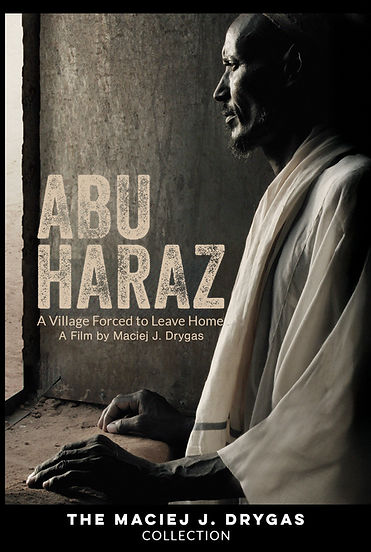
Abu Haraz is set in a small village in northern Sudan. Everything changes when a huge dam is built on the Nile, threatening to flood the land and submerge the village under 35 meters of water.